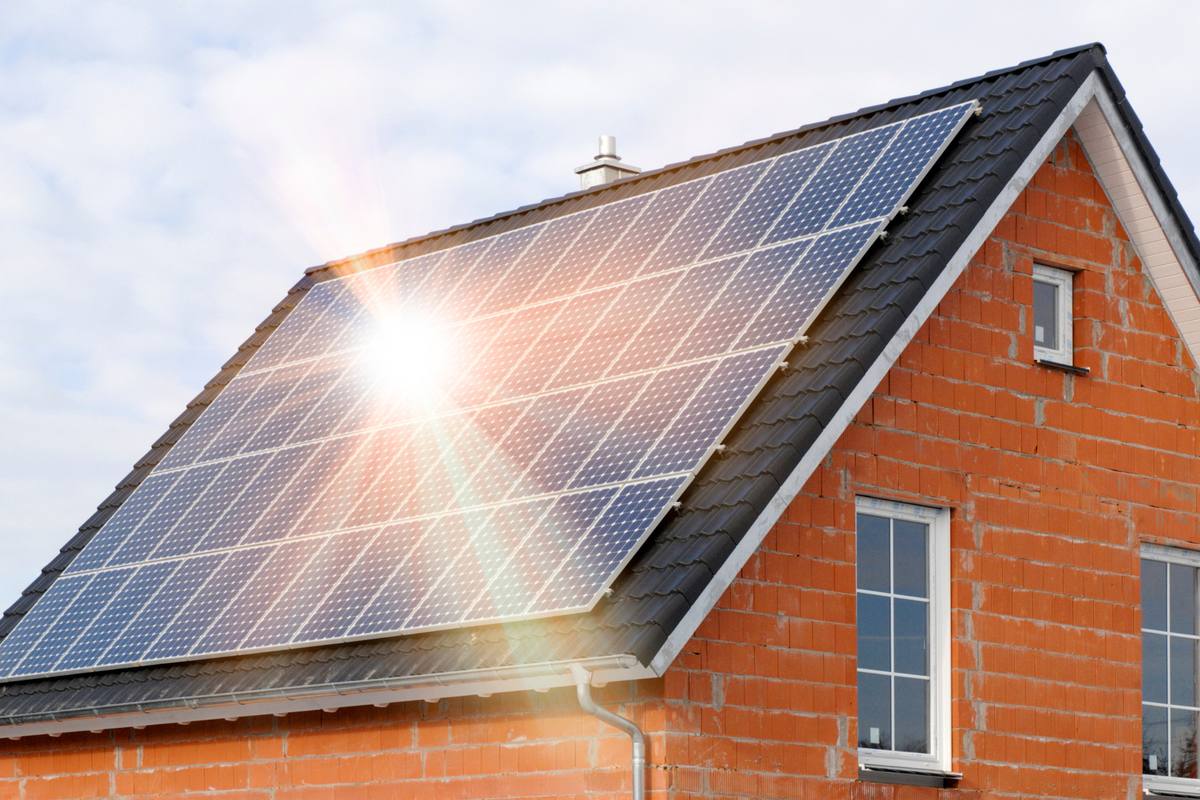
Households
Typically 5 – 20 kWp
Put the rooftop system you already paid for to work a second time. A 10 kWp home system could earn around R2,700 a year.
Every unit of power your panels produce replaces coal-fired Eskom electricity. SunCred turns that into verified carbon credits, sells them, and pays you 60% of the income every year, in rand. We do all the admin.
Are you a solar installer? Partner with SunCred →A quick message and a simple onboarding, then the credits keep coming each year your system produces.
WhatsApp or call us and tell us a little about your solar system. We'll confirm whether it qualifies and what it could earn.
You send us your Certificate of Compliance, the installation invoices and read-only access to your inverter app or meter. We register your system in the grouped Verra solar project, set up data collection and handle the annual audit.
Verified credits are issued and sold to South African companies that use them to reduce the carbon tax they pay SARS. You receive 60% of the income.
Enter your system size. The other figures are set to South African defaults (local sunshine, the Eskom grid and local credit prices); open them to adjust.
Estimate only. One credit equals one tonne of CO₂e avoided. Actual income depends on your measured production, the verified emission factor, audit outcomes and the credit price when sold.
WhatsApp us to get startedIf your system is 5 kWp or bigger and started producing in 2026, it can earn.
Typically 5 – 20 kWp
Put the rooftop system you already paid for to work a second time. A 10 kWp home system could earn around R2,700 a year.
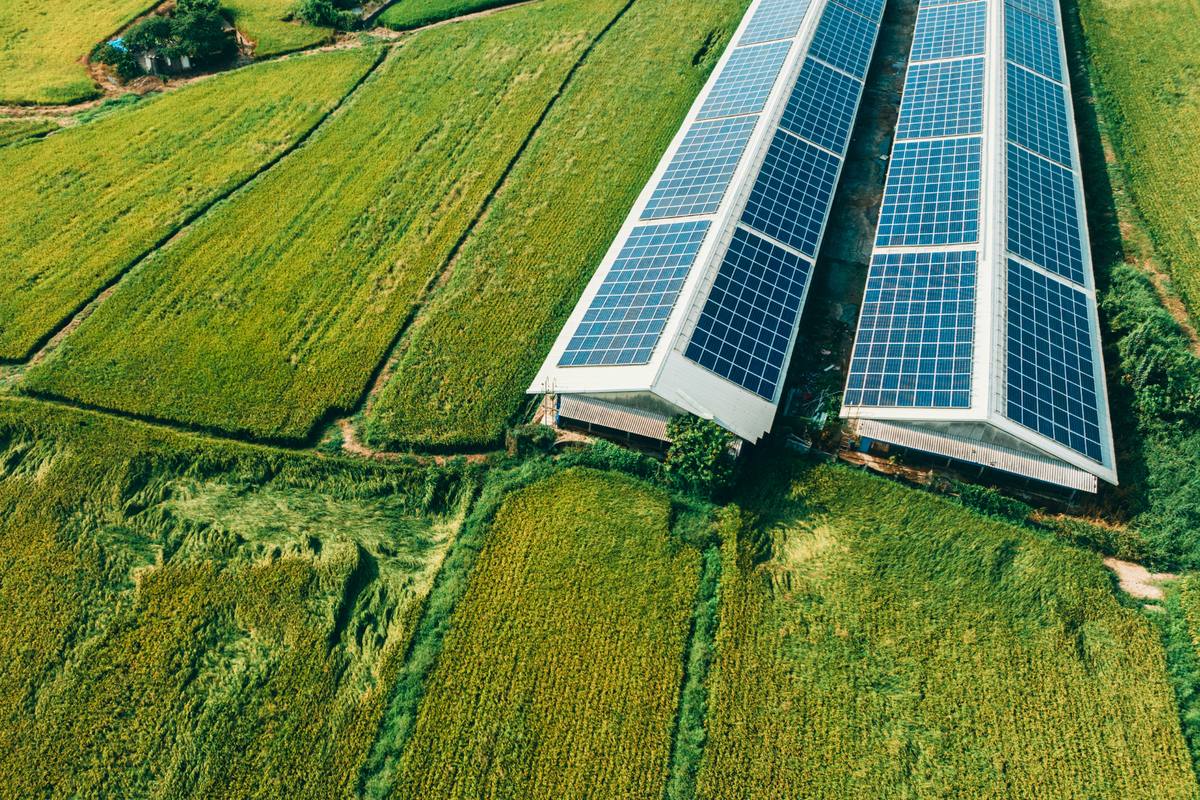
Typically 30 kWp – 2 MWp
Pumping, cold rooms, packhouses and dairies run on big systems. Your farm's solar could earn tens of thousands of rand a year in credits.
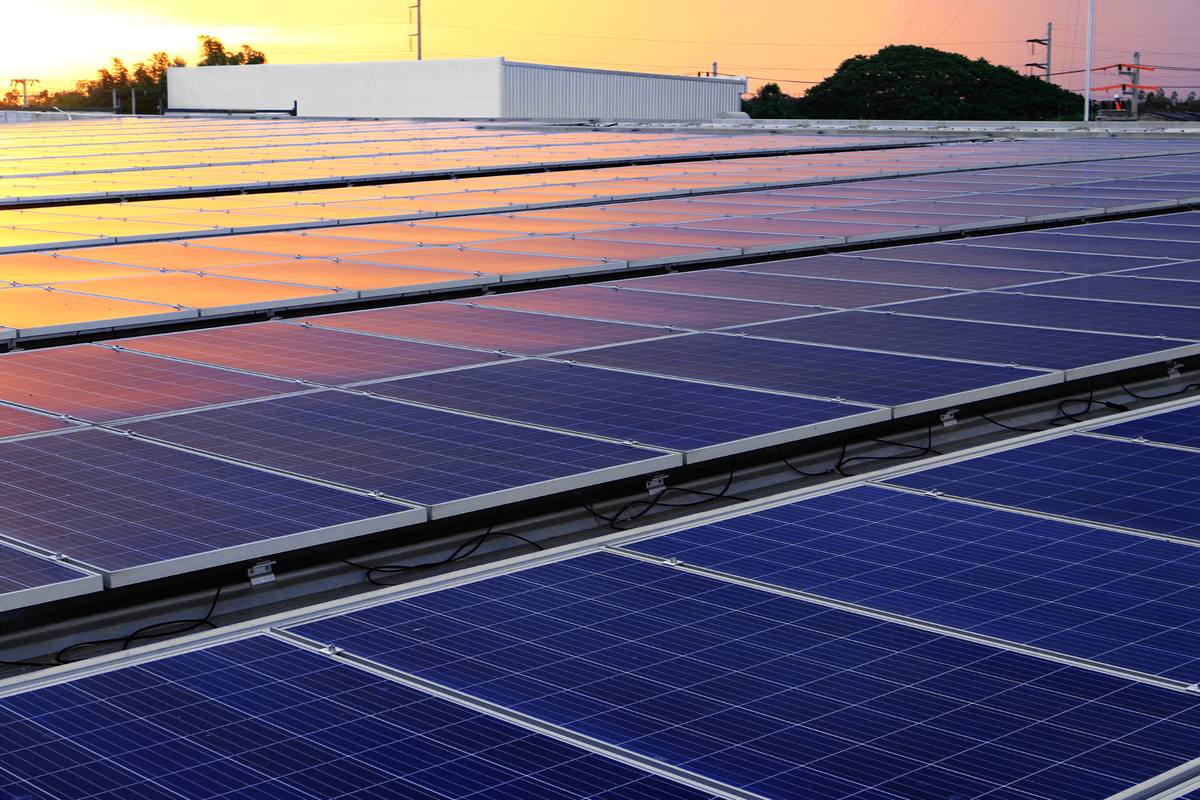
Typically 100 kWp – 15 MWp
Warehouses, factories and shopping centres with large roofs. A 1 MWp system could earn around R270,000 a year.

Typically 10 – 200 kWp
Extra income every year for the budget, from a system that's already on the roof.
The 40% covers everyone else involved: the project developer, the exchange, SunCred's administration and data collection, the independent auditors and Verra. There's no upfront cost and nothing extra comes off your 60%.
South Africa's carbon tax, collected by SARS, lets large emitters reduce what they owe by buying approved carbon credits. Credits from solar projects registered with Verra qualify, which creates steady local demand.
The headline carbon tax rate rose from R236, the biggest increase since the tax began in 2019.
Treasury's phase 2 plan has the rate climbing each year, which keeps companies looking for credits.
From 2026 companies may use credits against up to 15% of combustion emissions and 10% of process emissions, up from 10% and 5%.
Below the carbon tax. Carbon credits currently trade at a discount of roughly 10–20% to the carbon tax rate. That gap is why buyers want them: every credit a company uses saves it the full tax on a tonne, for less than the tax itself. As the tax rises each year, the value of credits is expected to rise with it.
The world's leading carbon credit standard. Your system joins a registered Verra grouped solar project (VCS project 4799), and every credit is independently audited.
The developer of the grouped solar project, responsible for the project design and its registration with Verra.
A South African marketplace for environmental assets, where the credits are sold to local buyers using them against their carbon tax.
Sources: National Treasury 2026 Budget as summarised by KPMG and Anthesis; Engineering News (Feb 2025); Green Asset Exchange public statements. Figures may change with future budgets.
No. There's no upfront fee. All project, audit, registry and exchange costs come out of the 40% share, so your 60% is not reduced.
Credits are issued after each annual verification audit and then sold. Payments follow the sale, so the first payment comes after your first full monitoring period has been audited.
No. You can leave the programme on 61 days' notice. Credits from periods already submitted for audit are still paid out to you.
No. We only need read-only access to your production data. Your system, your power and your savings stay exactly as they are.
Yes, carbon credit income is generally taxable and may attract VAT if you're VAT registered. Please check with your accountant or tax adviser.
Currently only systems with first solar production on or after 1 January 2026 qualify. Speak to us anyway; we'll tell you if anything changes.
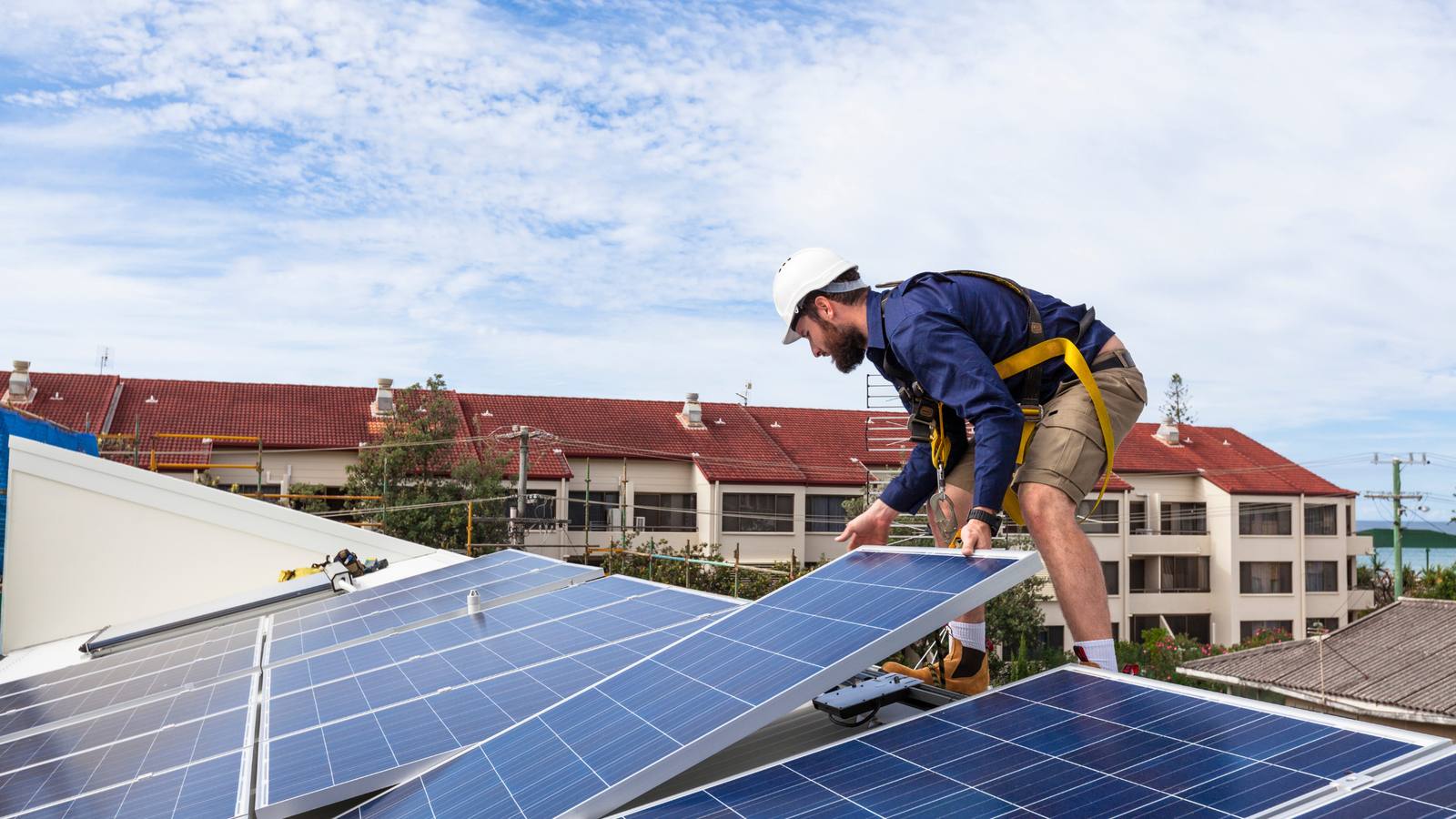
Give your clients an extra income stream that makes your quote stand out, and earn a referral share on every system you bring to SunCred.
Talk to us directly. Send a WhatsApp, give us a call, or fill in the form and it'll open in WhatsApp ready to send.
073 599 5165